The experience I’ve gained is now allowing me to work as a driving instructor and support younger girls entering the sport
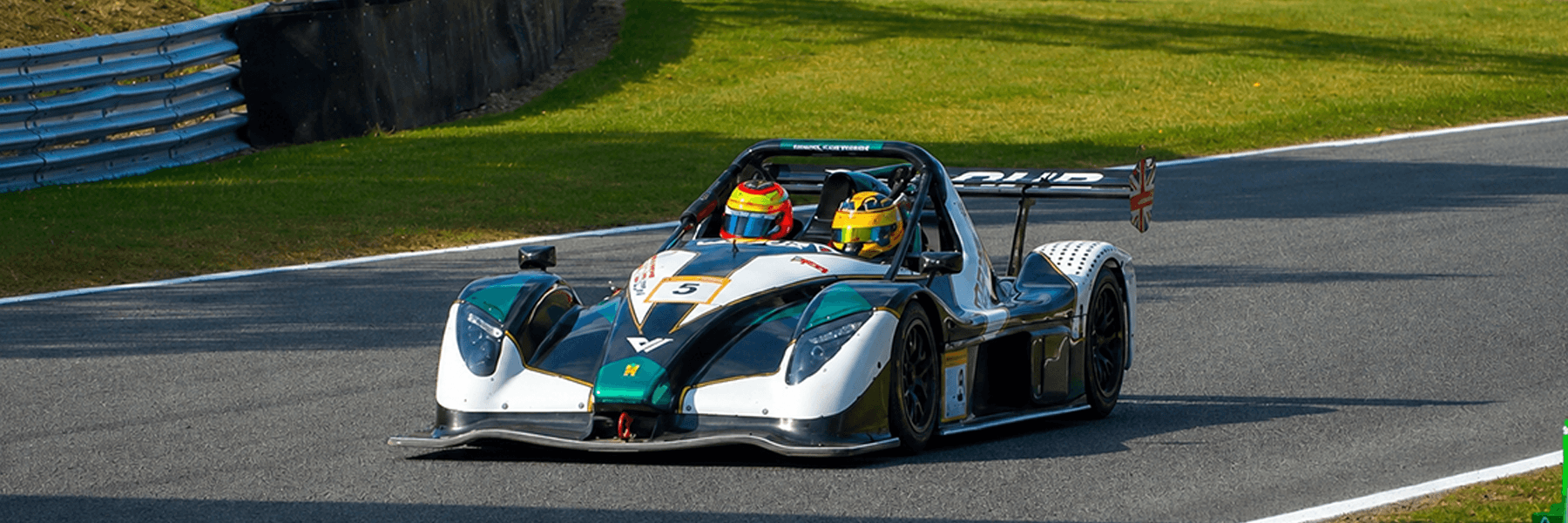
When I was nine years old, I went go-karting on a family holiday, and that’s where it all began.
I was very young when I first started, and I immediately fell in love with motorsport itself. It was only as I progressed that I began to see the competitive and corporate side of the industry.
When I first started, being a female in motorsport was rare. Nine times out of ten, I was the only female on the grid. However, things have changed significantly, and it’s now much more accepted and common to see women competing in motorsport.
When you’re actually racing, you don’t think about anything else. You’re completely focused. Once you develop a love for the sport, it’s always on your mind.
Seeing how much effort the team puts into both you and the car is incredibly rewarding, especially when you’re out on track. When you’re driving, your sole focus is performing at your best and striving to win.
Day to day, it’s about much more than just racing on the track. Preparation is a huge part of the role. This includes physical training to ensure you’re strong, fit, and have good cardiovascular endurance. The cars don’t have power steering or ABS, so there’s a lot of physical demand, meaning you need to be both mentally and physically strong.
Alongside this, reaction training is essential. When you’re driving at speeds of over 100mph, quick reactions can make all the difference.
Alongside my motorsport career, I also work as a Police Driving Instructor, where I train officers in advanced driving techniques and vehicle handling. It’s a role that requires a high level of concentration, strong communication skills, and the ability to remain calm under pressure.
Many of the skills I’ve developed through racing, such as decision-making, vehicle control, and reading the road ahead, transfer directly into my work as an instructor.
The social media side of the role is also becoming increasingly important. Building a profile and securing sponsorships and partnerships is one of the most challenging aspects of racing.
Driving itself is a skill, but communication is equally important. As soon as you come off the track, you’ll often be interviewed, so being able to communicate clearly and confidently is key. Those communication skills are just as important in my role as a Police Driving Instructor, where I need to coach and guide others to help them develop their own driving abilities.
Having a good understanding of the mechanical and technical side of the car is also essential.
The sector is changing massively. Motorsport today is completely different from what it was even five years ago.
For me personally, I’ve gone from being genuinely the only girl in the paddock to racing with an all-female team, which would have been almost unheard of five to ten years ago.
The experience I’ve gained is now allowing me to work as a driving instructor and support younger girls entering the sport. Being able to pass on my knowledge and experiences to the next generation is something I find incredibly rewarding.
I’d say that if you genuinely have a passion for it or an interest in it, give it a go. There are so many different areas within the automotive industry to explore, from mechanical and electrical roles to many other specialisms.