Battery Systems Engineers are at the forefront of energy technology
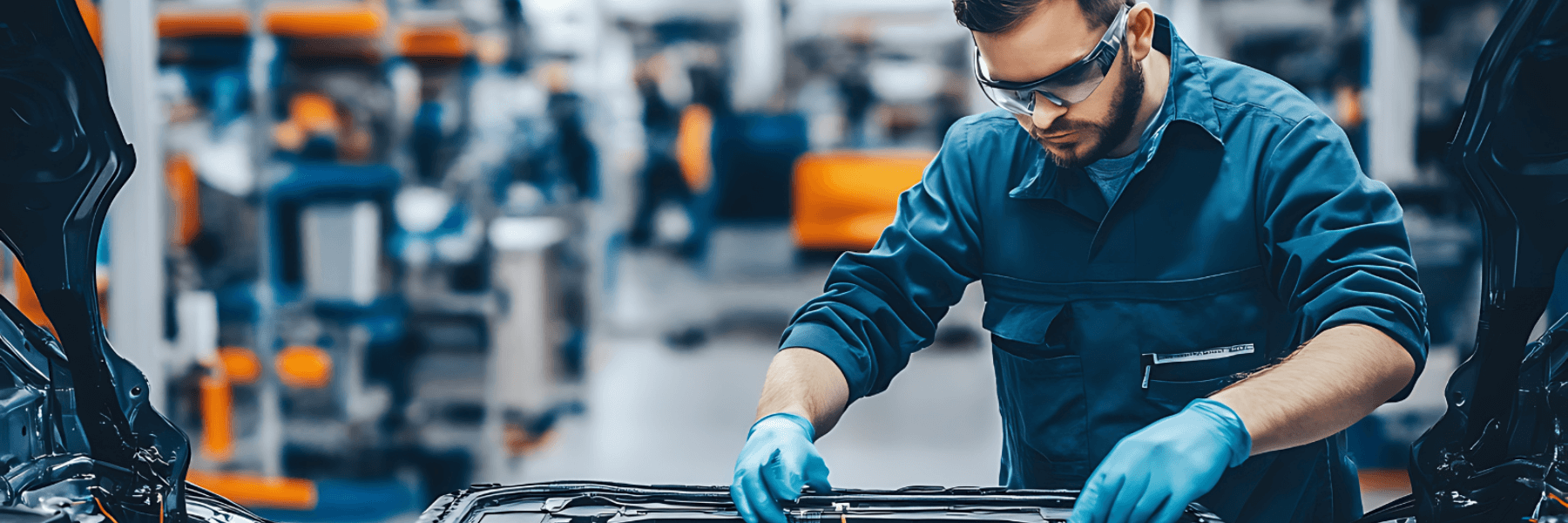
As we move towards a net zero future, energy storage and electrification are at the heart of sustainable transport and infrastructure. Battery Systems Engineers play a vital role in designing, maintaining, and improving the systems that power electric vehicles and renewable energy solutions, making this a key role in both environmental progress and technological innovation.
Battery Systems Engineers are at the forefront of energy technology, ensuring that battery systems are safe, efficient, and reliable across a range of applications, from electric buses and coaches to wider transport and energy networks.
Key responsibilities include:
- Designing and integrating battery systems for electric vehicles and energy storage, ensuring compatibility with vehicle architecture and performance requirements.
- Monitoring and maintaining battery health, using advanced diagnostic tools and software to assess performance, degradation, and safety.
- Conducting fault diagnosis and repair, including cell-level analysis and replacement, thermal management troubleshooting, and system recalibration.
- Collaborating with manufacturers and fleet operators to support the transition to electric fleets, ensuring systems meet evolving regulatory and environmental standards.
- Implementing safety protocols and compliance checks, including documentation and reporting aligned with industry standards and best practices.
- Staying ahead of technological advancements, with continuous professional development (CPD) in areas such as battery chemistry, BMS (Battery Management Systems), and energy efficiency.
This role offers the opportunity to work with cutting-edge technologies and contribute directly to the development of greener transport solutions.
Participation in schemes such as IMI TechSafe, the IMI’s industry-recognised accreditation for electric and hybrid vehicle safety, demonstrates that you meet defined competence standards for working safely with high-voltage systems. Holding this certification helps ensure your skills remain current as vehicle technologies evolve, supporting your role in the transition toward electrified, lower-emission transport.
Real Voice
“For me personally, looking back on my career, I have never been bored. Every day there has
been a new challenge. The automotive industry will always be here, people will always have a car. It’s just about how this evolves, with the new technology there is so much to work on such as data and computer systems. We need more people with these skills to come into the industry to work on this.”